Full system diagnostic
We test the thermostat, control board, electrical components, refrigerant pressures, and airflow. On a typical Milwaukie home this takes 45 to 75 minutes and tells us exactly what failed and why.
When your furnace quits on a 28-degree night or your AC dies in a July heat wave, our Local HVAC repair Milwaukie OR team gets you comfortable again fast. We diagnose the real problem, quote the fix upfront, and carry the parts to finish most jobs in one visit. From Downtown Milwaukie to Oak Grove, we keep homes warm, cool, and code-correct.
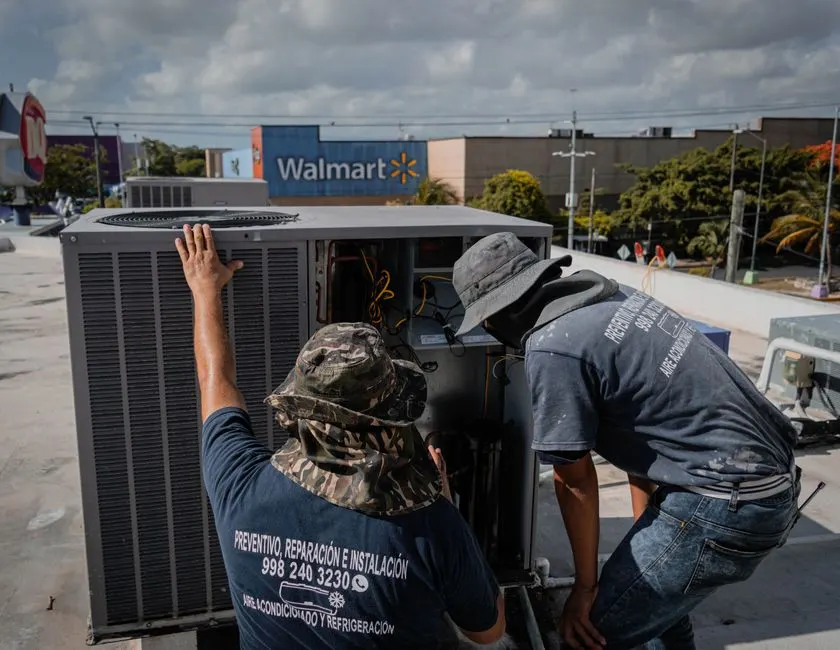
Local HVAC repair Milwaukie OR is the diagnostic and mechanical work that restores a failed heating or cooling system to safe, efficient operation. It covers the full range of equipment: gas furnaces, central air conditioners, heat pumps, and the ductwork that connects them. Our technicians test electrical components like capacitors and contactors, check refrigerant charge with manifold gauges, inspect the blower motor, and clear clogged condensate drains. When a system short-cycles, blows warm air, or refuses to ignite, we trace the fault to its source instead of swapping parts and hoping.
Milwaukie homes deal with wet winters, mossy roofs, and a handful of hard freezes every year, and that cycle is rough on heating equipment. Older houses near Kellogg Creek and Ardenwald often run original ductwork with fiberglass insulation that has sagged or torn, which forces the system to work harder. If you search for local HVAC repair near me Milwaukie OR after a cold snap, you are usually dealing with an ignition failure or a frozen evaporator coil. We see the same pattern every season, and we know which parts fail first.
Every repair visit covers a full diagnostic and the fix itself. Here is what is part of the standard job and what we quote separately, so you know exactly what you are paying for.
We test the thermostat, control board, electrical components, refrigerant pressures, and airflow. On a typical Milwaukie home this takes 45 to 75 minutes and tells us exactly what failed and why.
Before we touch a wrench, you get a flat price for the repair. No hourly meter running, no surprise line items. If the fix is not worth the money, we tell you that too.
Capacitors, contactors, igniters, flame sensors, thermostats, and common blower motors ride on every truck. That inventory is why most repairs finish the same day without a parts run.
We locate leaks with an electronic detector, repair the joint or component, then evacuate the system with a vacuum pump and recharge by weight to the manufacturer's spec.
A clogged PVC condensate line is one of the most common AC failures we see. We clear the line, flush the trap, and confirm water drains freely before we call the job done.
After the fix, we run a full heating or cooling cycle and verify temperature split, amp draw, and refrigerant charge. You see the system working before we pack up.
You call (855) 947-9500 and describe what the system is doing. Our dispatcher asks a few quick questions, like whether the thermostat is blank or the outdoor unit is humming, so we can send the right tech with the right parts. Most calls get a same-day window.
The tech arrives, checks the thermostat, and works through the system with a multimeter and clamp meter. We test voltage at the board, amp draw on the blower motor, refrigerant pressures, and airflow. Expect 45 to 75 minutes for a thorough diagnosis on a typical Milwaukie home.
We show you what failed, explain why, and give you a flat price for the repair. If the compressor is seized or the heat exchanger is cracked, we say so plainly and walk you through replacement options instead of selling you a repair that will not last.
Once you approve, we make the fix. That might mean a new capacitor, a contactor, a blower motor, or a refrigerant leak repair followed by a proper evacuation with a vacuum pump and recharge by weight. Then we run the system through a full heating or cooling cycle to confirm it holds.
Before we leave, we show you what we replaced, set the thermostat where you want it, and check your air filter. If the filter is clogged, we swap it or tell you the exact size to buy. You get a written summary of the work and our warranty terms.
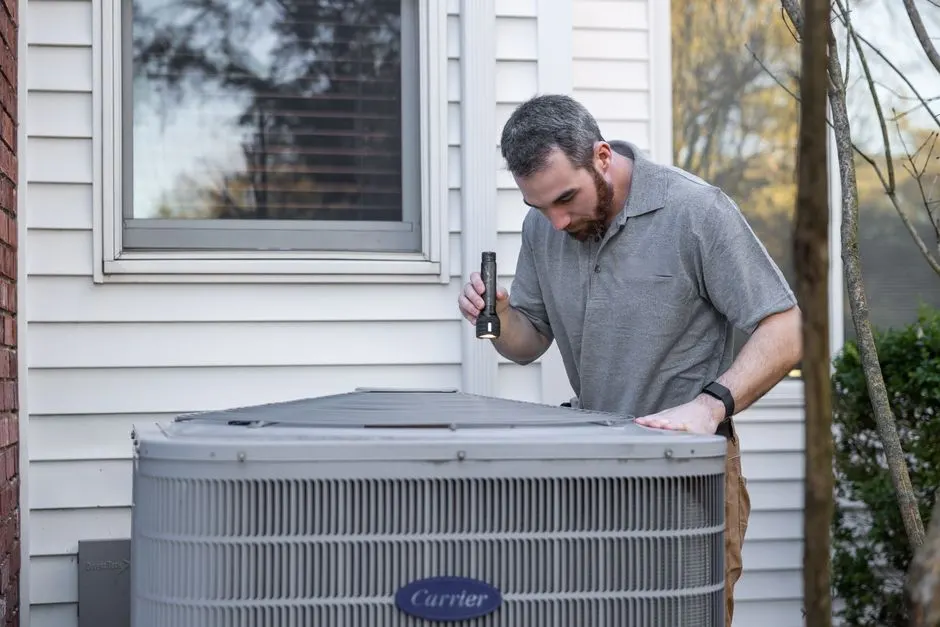
You call (855) 947-9500 and describe what the system is doing. Our dispatcher asks a few quick questions, like whether the thermostat is blank or the outdoor unit is humming, so we can send the right tech with the right parts. Most calls get a same-day window.
Used to read high-side and low-side refrigerant pressures so we can calculate superheat and subcooling and confirm the charge is correct, not just close.
Any time we open a refrigerant circuit, we recover the charge, pull a deep vacuum to remove moisture, and recharge by weight. This is EPA Section 608 work, done by the book.
We test voltage at the control board, continuity through the igniter, and amp draw on the blower motor and compressor. These readings tell us whether a component has failed or is failing.
Refrigerant leaks hide in joints, flare fittings, and coil tubing. A sensitive detector finds them fast so we repair the actual leak instead of just topping off the charge.
Bent condenser fins restrict airflow and cut efficiency. We straighten fins and clean coils so the system rejects heat the way it was designed to.
For homes with heavy dust or debris in the ductwork, we use a dedicated vacuum to pull material out of the runs and improve airflow to every room.
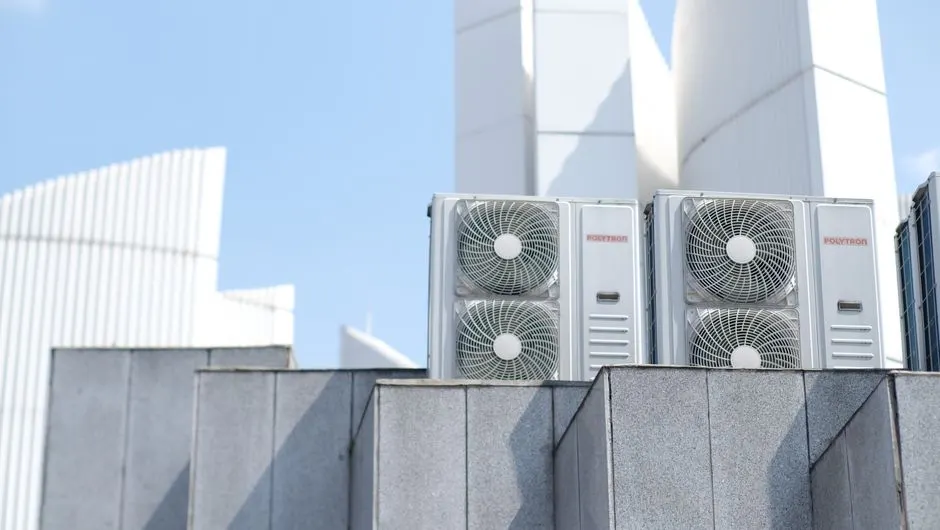
A 1998 Carrier furnace in Ardenwald would not ignite. The homeowner had been using space heaters for three days, and the thermostat kept calling for heat with no response.
After: We replaced the failed igniter and flame sensor, cleaned the burners, and verified the heat exchanger. The furnace lit on the first cycle and held a steady 68 degrees. Total repair time was two hours.
Book this service →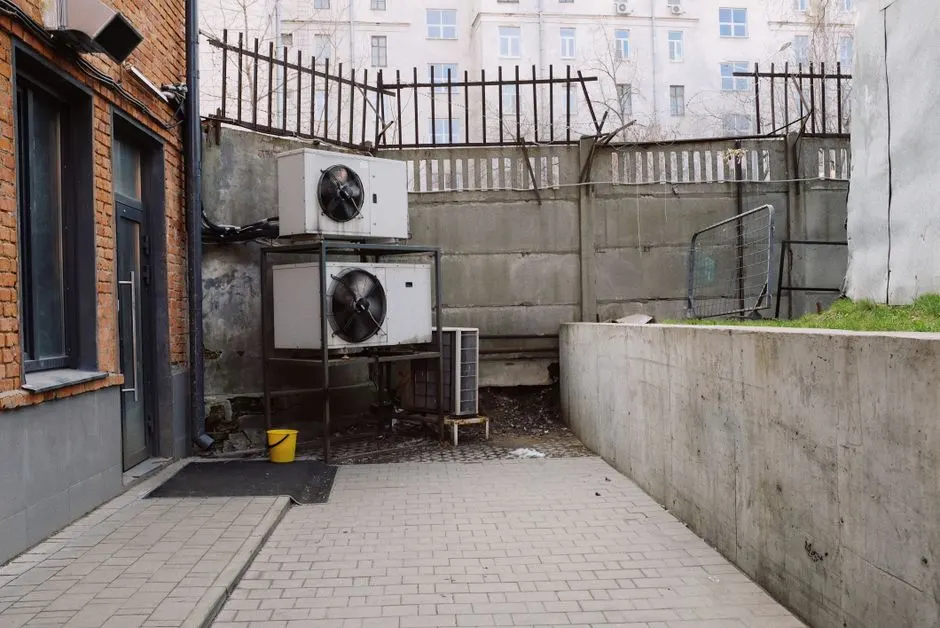
An Oak Grove homeowner called when the AC ran all day but the house stayed at 82 degrees. The outdoor unit was humming, and the indoor coil had partially frozen over.
After: We thawed the coil, found a slow leak at a flare fitting, repaired it, evacuated the system, and recharged with R-410A by weight. The temperature split hit 20 degrees, and the house cooled to 72 within an hour.
Book this service →
A Mitsubishi Electric heat pump in Milwaukie Heights was icing over every few days and running nonstop. The homeowner's electric bill had jumped by $90 for the month.
After: We replaced a failed outdoor temperature sensor, tested the defrost board and reversing valve, and verified the charge. The unit now completes a normal defrost cycle, and runtime dropped back to expected levels.
Book this service →Most calls fall into a handful of categories. If any of these sound familiar, you are dealing with a repair, not a mystery.
Ask a pro →We test the igniter, flame sensor, and control board with a multimeter, replace the failed component, and confirm the burners light and hold. Most ignition repairs finish in under two hours.
We check refrigerant charge with manifold gauges, test the capacitor and contactor, and inspect the evaporator coil. If there is a leak, we find it with a leak detector, repair it, and recharge by weight.
We thaw the coil, find the cause, whether it is a dirty air filter, low charge, or a failing blower motor, and fix the root problem. Then we confirm the coil stays clear through a full cooling cycle.
We clear the PVC condensate line, flush the trap, and check the pan and float switch. If the line is undersized or poorly pitched, we correct it so the problem does not return next season.
Most repairs run $180 to $650 in 2026, with a diagnostic fee that we credit toward the work. A capacitor or contactor swap sits at the low end; a blower motor or refrigerant leak repair lands higher. If the compressor or heat exchanger has failed, we tell you before you spend money on a fix that will not hold.
The best shop is the one that diagnoses before it sells and stands behind the repair. We have served Milwaukie since 2023, our techs are NATE-certified, and we follow EPA Section 608 and ACCA standards on every job. Ask any company for their certification and warranty terms, then compare.
Yes, in most cases. Call (855) 947-9500 before noon and we can usually have a technician at your home the same afternoon. Emergency calls after hours get triaged by a live person, and we prioritize no-heat calls in winter and no-cool calls during summer heat.
Start with a company that is licensed in Oregon, carries NATE-certified techs, and gives you a flat price before work begins. Check that they stock common parts so you are not waiting days for a capacitor. We cover Milwaukie, Oak Grove, Gladstone, and the surrounding Clackamas County area.
One call reaches a live dispatcher who can book a same-day visit. We diagnose the problem, quote a flat price, and carry the parts to finish most repairs on the spot. Call (855) 947-9500 now.
Book a repair (855) 947-9500 →Call (855) 947-9500 any time, day or night, and a live dispatcher will get a tech headed your way. Regular office hours run 8 a.m. to 6 p.m. Monday through Friday, with 24/7 emergency coverage for no-heat and no-cool calls. You can also email [email protected] and we will reply the same business day.